By merchantservice March 3, 2026
The EMV liability shift sounds technical, but the idea is simple. It is the process by which liability is determined in the event of card-present fraud. Traditionally, banks have borne the liability for counterfeit fraud. However, with the widespread adoption of chip card technology, the liability has changed.
Now, if merchants have not adopted chip card technology, they are the ones who are held liable in the event of fraud. The purpose of the liability shift is to encourage the use of the latest technology. The chip card generates a new code for every transaction. Understanding this shift helps merchants avoid expensive chargebacks and disputes.
Why Magnetic Stripe Transactions Became a Problem
Magnetic cards hold static information that does not change. Once this information is stolen, it can be reused an infinite number of times. Hackers took advantage of this vulnerability for many years by duplicating cards and using them in brick-and-mortar stores.
As fraud increases, banks need a better solution. Chip cards replaced static information with dynamic authentication. Each transaction uses a unique cryptographic code that cannot be reused. This makes counterfeit fraud incredibly difficult. The EMV liability shift was created to encourage the adoption of this more secure technology.
Merchants who continued to accept swipe transactions were the new vulnerability. Fraud did not go away; it moved to merchants who did not upgrade. The shift forced merchants to upgrade their technology or face financial liability.
How Chip Cards Reduce Counterfeit Fraud

Chip cards have minimized fraudulent activities by changing the way the transaction is validated. The chip does not use stored card data to verify the transaction. Instead, it communicates with the terminal to create a signature for the transaction.
Even if criminals obtain the data, they will not be able to reuse it. This prevents most counterfeit card schemes. The benefits to merchants include reduced fraudulent transactions and chargebacks. Banks offer them protection against liability.
However, it is essential to note that chip protection is only effective if the chip is used. If the card is swiped, the protection is lost. Merchants should encourage customers to use the chip. The technology is effective only if it is utilized.
Contactless Payments and EMV Security
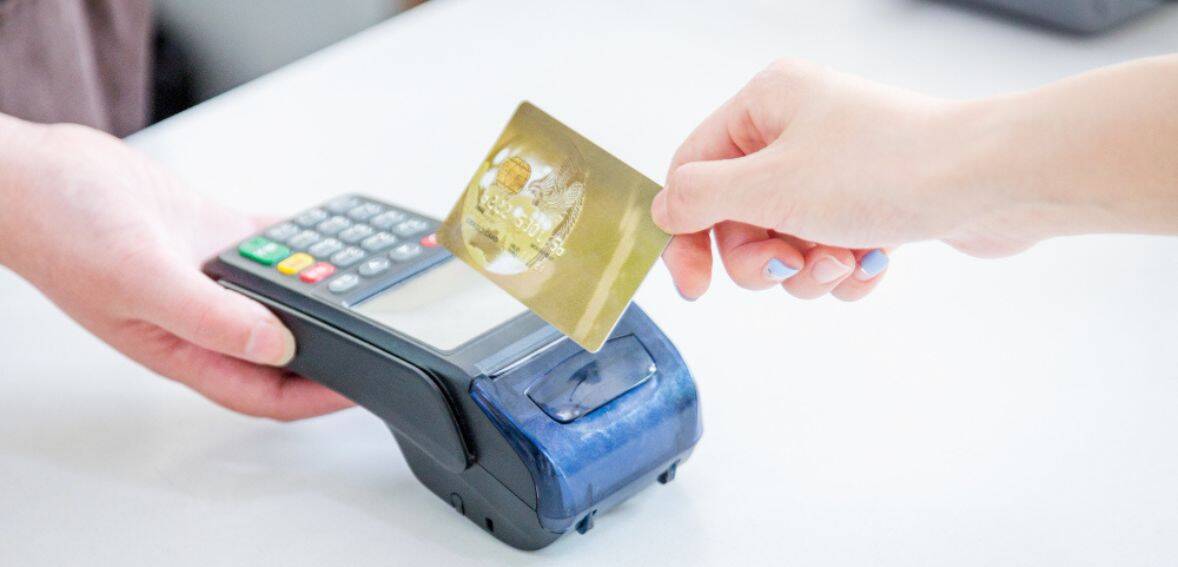
Contactless payments utilize the same principles as EMV cards but offer the added advantage of speed. Although they utilize tap cards or mobile wallets, they utilize the same dynamic cryptogram. In many instances, they utilize tokenization, which replaces the card number with a token.
As a result, contactless payments offer a high level of resistance to counterfeits. For the merchant, contactless payments offer the same liability protection as chip dips. For the consumer, the payments offer the advantage of speed and convenience. However, the merchant should ensure the contactless terminals are configured to offer liability protection. Failure to do so might deny the merchant the liability protection.
When the Liability Shift Protects Merchants
The merchant gets liability protection by following the rules of EMV correctly. This involves the use of a terminal approved by EMV, the processing of chip or contactless transactions, and the restriction of fallback to swipe only in necessary situations.
When all these conditions are met, the liability of the merchant for counterfeit fraud falls on the card issuer. However, the liability protection does not cover all disputes, only certain ones, specifically counterfeit card disputes. It is very important to note that liability protection is not absolute; it is relative or conditional.
When Merchants Still Lose Disputes
This means that the merchants are not shielded against all forms of dispute. The liability shield is not applicable if the fraud is not related to counterfeit cards. Merchants can still incur liability if the fraud is related to lost or stolen cards, friendly fraud, or authorization-related fraud.
- Merchants are not shielded against customers who claim not to have received the merchandise or those who claim the service is of poor quality.
- Merchants who bypass chip processing or use swipe functionality without proper reason codes are not shielded against liability.
- Merchants are also not shielded if the terminal is not properly configured or if the terminal has outdated software.
In simple words? Merchants are not shielded against all forms of fraud.
Fallback Transactions and Hidden Risk
Fallback transactions happen when the chip fails, and the card is swiped instead. This kind of transaction is risky. Sometimes, the chip can be tampered with for the purpose of committing fraud. There is close monitoring of the number of fallback transactions. Excessive fallback can result in an audit, and the merchant can lose liability protection.
There needs to be proper training for merchants regarding the identification of suspicious behavior relating to fallback transactions. If the chip fails, the transaction needs to be declined instead of swiping the card. Proper logging of the reason for the fallback is essential. Fallback, although sometimes legitimate, needs to be minimal. Fallback needs to be viewed as a necessity, not a convenience.
POS Upgrades and Certification Matter

Not all terminals are created equal in terms of protection. EMV needs to be compliant with hardware and software certifications. Old terminals may have chip technology, but not the latest software protection. It needs to be certified to ensure that the terminal complies with the network’s authentication and encryption protocols.
Merchants should always upgrade the firmware of the terminal, too. Security standards are always changing, and old technology can become a liability. Upgrading a POS is not just an upgrade for better performance and additional features; it’s an upgrade for better protection against fraud costs. Merchants who don’t upgrade end up paying more for chargebacks and loss of trust.
Card-Present Disputes Beyond Fraud
Merchants often believe that only instances of fraud are included in a dispute. However, when it comes to card-present transactions, it is often a matter of customer satisfaction, returns, and billings. These problems are not prevented by EMV technology. As a matter of fact, having clear receipts, transparent pricing, and clear policies is just as important as having the hardware.
Merchants should be aware that having EMV technology is just one piece of the security puzzle. Dispute prevention requires discipline in terms of process and technology. When customers know what they are paying for, they will be less likely to dispute a purchase, regardless of the payment method.
Staff Training Is Part of EMV Compliance

Technology alone cannot prevent fraud. Behavior and EMV compliance plays a role too. Employees should be aware of the procedure to request chip insertion, discourage the use of swipe cards, and behave well even when the transaction fails. Many disputes arise because of employee behavior. Employees often override the system to expedite the process. Merchants should emphasize to employees that the process is for the business’s good.
The Cost of Ignoring EMV Rules
Merchants who are either not taking the EMV compliance issue seriously or are putting it off are not realizing how quickly costs can add up. One fraudulent transaction may not amount to much on its own, but if a merchant is subjected to a series of chargebacks, this could result in increased payment processing costs or even termination of their accounts altogether.
Payment processors and banks are able to monitor this behavior closely, and merchants who are not compliant are considered a high-risk business, irrespective of their intentions. Once a merchant is classified as a high risk, it becomes nearly impossible to negotiate rates or obtain stable processing services.
The EMV liability shift was implemented to promote responsible behavior, not to unfairly target businesses. The costs of upgrading payment terminals, updating software, or retraining staff are negligible compared to the costs of fraud losses over time. EMV is no longer a technical upgrade; it is a requirement for responsible business operations within a card-present environment.
EMV in a Contactless-First Future
As the preferred method of transaction continues to be contactless payments, the underlying infrastructure continues to be based on the EMV standards. As the underlying infrastructure, the contactless payments, including the mobile wallets, continue to be based on the EMV chip, dynamic authentication, and encryption to prevent counterfeits.
For merchants, the move to contactless payments is not just about the speed of the transaction but also about ensuring they align with the changing nature of the preferred way to pay. As the preferred way to pay continues to change, customers increasingly associate contactless payments with a sense of safety, cleanliness, and efficiency.
For merchants who offer contactless payments, the experience continues to be faster, with fewer issues associated with the transaction. For those who do not, they risk alienating their customers and appearing to be outdated. As the preferred way to pay continues to change, the underlying infrastructure based on the EMV standards continues to be relevant to ensure merchants do not expose themselves to the risk of fraud.
Conclusion
The EMV liability shift was introduced to reduce fraud by encouraging safer payment practices, not to penalize merchants unfairly. Businesses that use chip and contactless technology reap the benefits of less counterfeit fraud, fewer chargebacks, and increased customer and bank trust.
EMV is not a perfect shield, though. When protocols are not followed, terminals are out-of-date, or transactions are not covered by EMV, disputes may still occur. As payment methods change, retailers may stay safe by considering EMV compliance as a component of a larger risk management approach.
It is significantly less expensive to invest in cutting-edge point-of-sale systems, employee training, and transparent transaction policies than it is to absorb recurring fraud losses. EMV compliance is now necessary for stability, trust, and long-term success in the current card-present market.
FAQs
Are chargebacks eliminated with EMV?
No, EMV dramatically lowers counterfeit fraud, but it doesn’t stop disputes arising from stolen cards, unhappy customers, or operational mistakes.
When is the shift in EMV liability applicable?
It is applicable when one side is in favor of EMV and the other is not. In cases of counterfeit fraud, the non-compliant party becomes liable.
Do EMV regulations apply to contactless payments?
Yes. Mobile wallets and contactless cards both use EMV technology and adhere to comparable security and liability guidelines.
Do merchants need to upgrade if fraud is currently low?
Yes. Fraud trends change quickly, and banks expect EMV compliance regardless of current loss levels.
Is staff training important for EMV compliance?
Absolutely. Even with modern terminals, improper handling of transactions can lead to disputes and lost protections.